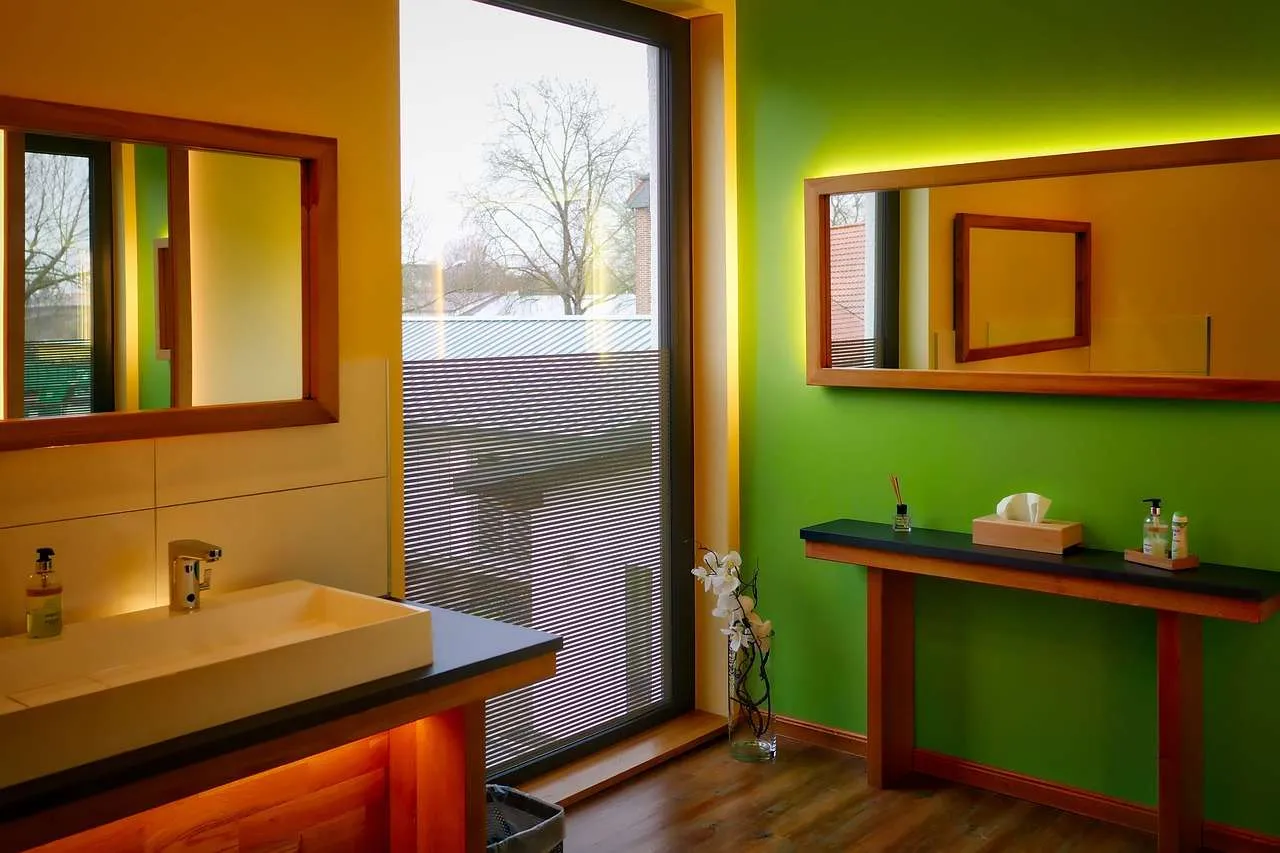
Bathroom Decor: Stylish Ideas for Your Space
Guide to bathroom decor ideas: color palettes, materials, and durable style.
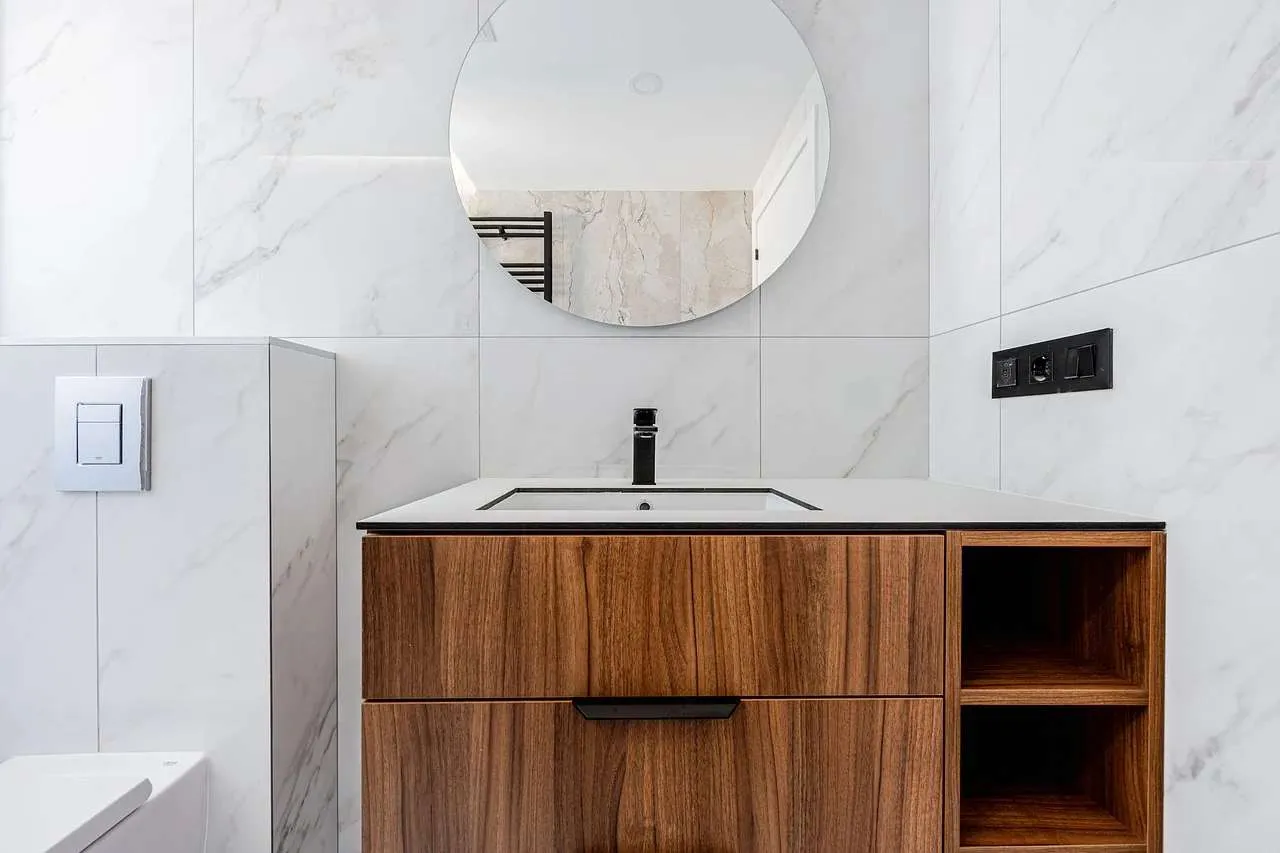
Creating a cohesive bathroom starts with thoughtful bathroom decor choices. From color palettes to fixtures, every detail influences mood, usability, and perceived value. This guide covers key elements, style options, budgeting tips, and maintenance strategies to help you design a space that is both beautiful and resilient.
Introduction to Bathroom Decor
Bathroom decor shapes not only how your space looks but how you feel when you start and end your day. A well-planned bathroom decor balances aesthetics with durability, water resistance, and maintenance needs. By aligning color, materials, fixtures, and storage with your daily rituals, you create a space that serves you for years.
Key Elements of Bathroom Decor
Color, Lighting, and Atmosphere
Color choices set the mood. Light shades reflect more light and can make small bathrooms feel larger, while rich accents add personality. Layer lighting—ambient, task, and accent—to improve usability and highlight textures such as natural stone or matte tiles.
Fixtures, Storage, and Accessories
Choose fixtures with proper scale and finish. Wall-mounted vanities save floor space and make cleaning easier; recessed niches create tidy storage. Accessories should support routine (towel bars, tissue holders) and be easy to clean, with materials that resist moisture and corrosion.
Color Palettes and Materials
Materials influence longevity as much as look. Porcelain and ceramic tiles are durable and easy to clean; natural stone adds warmth but needs sealing. For vanities, solid wood or water-resistant composites balance beauty and resilience. Tiles with slip-resistance and sealed grout prevent moisture-related wear. When selecting countertops, choose heat- and moisture-tolerant surfaces like quartz or solid surface options.
Color Palettes
Neutral bases such as white, dove gray, or warm beige serve as versatile backdrops. Add personality with accent colors like navy, sage, or seafoam. Textures—matte finishes, pebble textures, and satin metals—create depth while remaining timeless.
Styles to Consider
Modern
Modern bathroom decor emphasizes clean lines, open spaces, and minimal accessories. Floating vanities, frameless glass showers, and monochrome palettes create a calm, hotel-like feel. Material choices lean toward porcelain, quartz, and stainless steel.
Traditional
Traditional bathrooms curate warmth with wood vanities, classic tile patterns, and refined metals such as brass. Soft whites paired with antique-inspired fixtures produce a timeless, comfortable look.
Minimalist
Minimalist spaces strip away excess to reveal function. Built-in storage, coherent color schemes, and hidden hardware reduce visual clutter while preserving a sense of calm and order.
Coastal
Coastal bathroom decor captures sea breezes through light colors, natural textures, and airy elements. Pale blues, sandy beiges, and rattan accents evoke a beachy feel without sacrificing practicality in humid environments.
Industrial
Industrial style pairs raw materials like exposed pipes, concrete-look tiles, and metal finishes with warm wood accents to balance cool aesthetics with comfort. This look works well in loft-style layouts and open-plan baths.
Budgeting and Planning
Set a clear budget that includes fixtures, flooring, plumbing, and professional labor. Allocate 60–70% for core fixtures and surfaces, and reserve 30–40% for lighting, hardware, and decor details. Prioritize durable, water-resistant materials in high-moisture zones and consider mid-range options that deliver long-term value.
Maintenance and Longevity
Durability comes from material choices and finish quality. For example, choose quartz countertops for low maintenance and long life; select porcelain or ceramic tile with sealed grout; and opt for nickel or matte black fixtures that resist corrosion. Routine cleaning with non-abrasive products extends finish life and keeps colors true.
Style Comparison
| Style | Key Features | Ideal Color Palette | Maintenance Level | Typical Budget |
|---|---|---|---|---|
| Modern | Sleek lines, wall-mounted fixtures, frameless shower | White, gray, black accents | Low to medium | Mid to high |
| Traditional | Warm woods, classic fixtures, porcelain tiles | Creams, taupe, blues | Medium | Mid |
| Minimalist | Simple silhouettes, hidden storage, balanced spaces | White, charcoal, soft neutrals | Low | Low to mid |
| Coastal | Light textures, natural fibers, breezy vibe | Sand, seafoam, light blues | Medium | Mid |
| Industrial | Exposed fixtures, concrete or brick, metal accents | Charcoal, copper, steel | Medium | Mid to high |
Expert Guidance and Credibility (EEAT)
To align with EEAT, this guide emphasizes practical, evidence-based choices and professional guidance. Rely on licensed contractors for plumbing and electrical work, request detailed estimates, and review portfolios or case studies from reputable designers. Seeking sources, warranties, and certification demonstrates expertise and trustworthiness, helping you make informed decisions that pay off over time.
Consider sustainability by selecting water-efficient fixtures, low-VOC paints, durable tile products, and locally sourced materials when possible. These choices not only protect the environment but also reduce long-term operating costs and improve indoor air quality.
Conclusion
In summary, successful bathroom decor blends color, materials, and fixtures with practical planning. By choosing a coherent style, balancing budgets, and prioritizing durability and maintenance, you can achieve a space that feels refreshed and resilient for years to come.
Summary: This guide highlighted core elements of bathroom decor—color, materials, fixtures, and layout—along with budgeting, maintenance, and professional guidance. A cohesive approach ensures a space that is beautiful, durable, and aligned with your daily routines.