Repair of Roofing: Essential Guide for Homeowners
Learn repair of roofing strategies, costs, and maintenance tips from an expert.
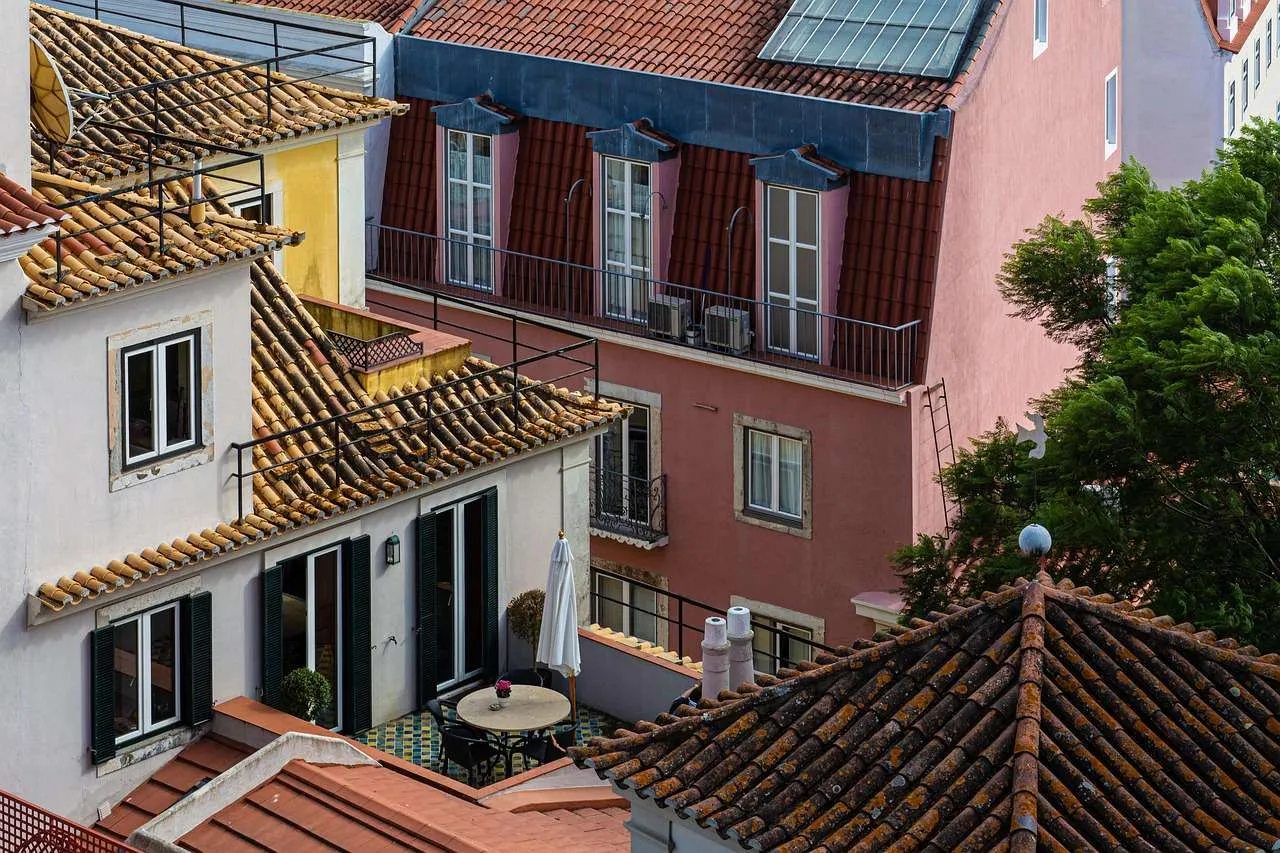
Repair of roofing is a fundamental aspect of home stewardship. A small leak, a missing shingle, or corroded flashing can escalate quickly if ignored. As a veteran contractor with hundreds of repairs completed, I will outline practical, safe, and effective approaches to repair of roofing. This guide helps homeowners identify when a repair is sufficient, what methods are commonly used, and how to estimate costs without compromising safety or warranty. Whether you manage a tiny bungalow or a large residence, prioritizing timely repairs preserves structural integrity, prevents costly water damage, and maintains energy efficiency.
Signs that your roof needs repair
Look for water stains on ceilings after rain, dark streaks in the attic, or light shining through roof boards from the loft. On the exterior, inspect for missing or curling shingles, granule loss in gutters, and damaged flashing around chimneys or vents. Moss, algae, or mold growth can indicate trapped moisture. If you notice recurring leaks after storms or ice dams forming in winter, it is time to schedule an inspection. A professional assessment can reveal hidden problems such as compromised underlayment, damaged decking, or hidden gaps in the flashing that DIY checks might miss.
DIY vs professional assessment
For minor repairs, homeowners may replace a single shingle or reseal a small gap with roofing cement. But safety risks, ladder accidents, and the potential to misjudge roof load or ventilation mean that many repairs should be performed by licensed roofers. A professional can verify attic ventilation, repair or replace flashing, reseal joints, and ensure the work complies with local codes and warranty terms. Consider DIY only for small, dry-weather fixes with proper safety gear and a clear plan; otherwise hire a pro for structural or widespread damage.
Repair techniques for roofing
Shingle repair
Identify damaged shingles, remove nails carefully, slide in a new shingle, align with neighboring rows, and seal with a bead of roofing cement or asphalt adhesive. Check surrounding shingles for lifting, and address granule loss by cleaning gutters and replacing affected sections if needed.
Flashing and sealant repairs
Flashing around chimneys, vents, and skylights is a common leak source. Clean the area, remove old sealant, apply manufacturer-approved roofing sealant, and bed new flashing with the correct nails and tar. Ensure a watertight seam and check for rust or corrosion on metal flashings.
Leak repairs and temporary fixes
For active leaks while awaiting a full repair, place a tarp or waterproof membrane over the affected area from the exterior and inside, catchment water with containers, and minimize interior damage. These are temporary measures; permanent repairs require replacing damaged shingles, flashing, or underlayment as soon as possible.
Costs and budgeting for repair of roofing
Repair costs vary by roof size, materials, and the extent of damage. Minor fixes such as replacing one or two shingles might run $150–$600, while repairing damaged flashing or seams can range $200–$1,000. A more complex repair that involves underlayment or decking might cost $1,000–$3,000. Always obtain written estimates from licensed contractors, and ensure the warranty on your roofing system remains intact after repairs. Remember that undetected problems can drive up costs later, so early intervention is prudent.
Maintenance to extend roof life
Regular inspections twice a year, preferably in spring and fall, help catch issues early. Clean gutters and downspouts, remove branches that rub against the roof, trim overhanging limbs, and keep roof surfaces free of moss and debris. Ensure attic ventilation is adequate to prevent condensation, and check insulation to minimize heat movement that can damage roofing. A proactive maintenance plan reduces emergency repairs and extends roof life.
Comparison: repair vs replacement
| Scenario | Signs | Pros/Cons | Estimated cost |
|---|---|---|---|
| Missing or damaged shingles | Curling edges, granule loss | Repair: quick and inexpensive; replacement lasts longer | $150–$600 |
| Damaged flashing | Leaks around chimneys/vents | Repair: restores seal; replacement may be needed if corrosion | $200–$1,000 |
| Minor leaks with intact decking | Seepage at seams or joints | Repair: usually cost-effective; avoid full roof lift | $300–$1,500 |
| Widespread damage or deck rot | Visible sagging, soft spots | Repair may be impractical; replacement often required | $3,000–$8,000+ |
| Routine replacement (older roofs) | Missing granules across large areas | Replacement provides warranty and long life | $5,000–$15,000 |
Summary: Regular inspections, timely repairs, and professional guidance protect your roof, balance cost, and extend its life.