Home Window Tinting: A Complete Guide
Explore home window tinting: benefits, types, costs, and how to choose a trusted installer.
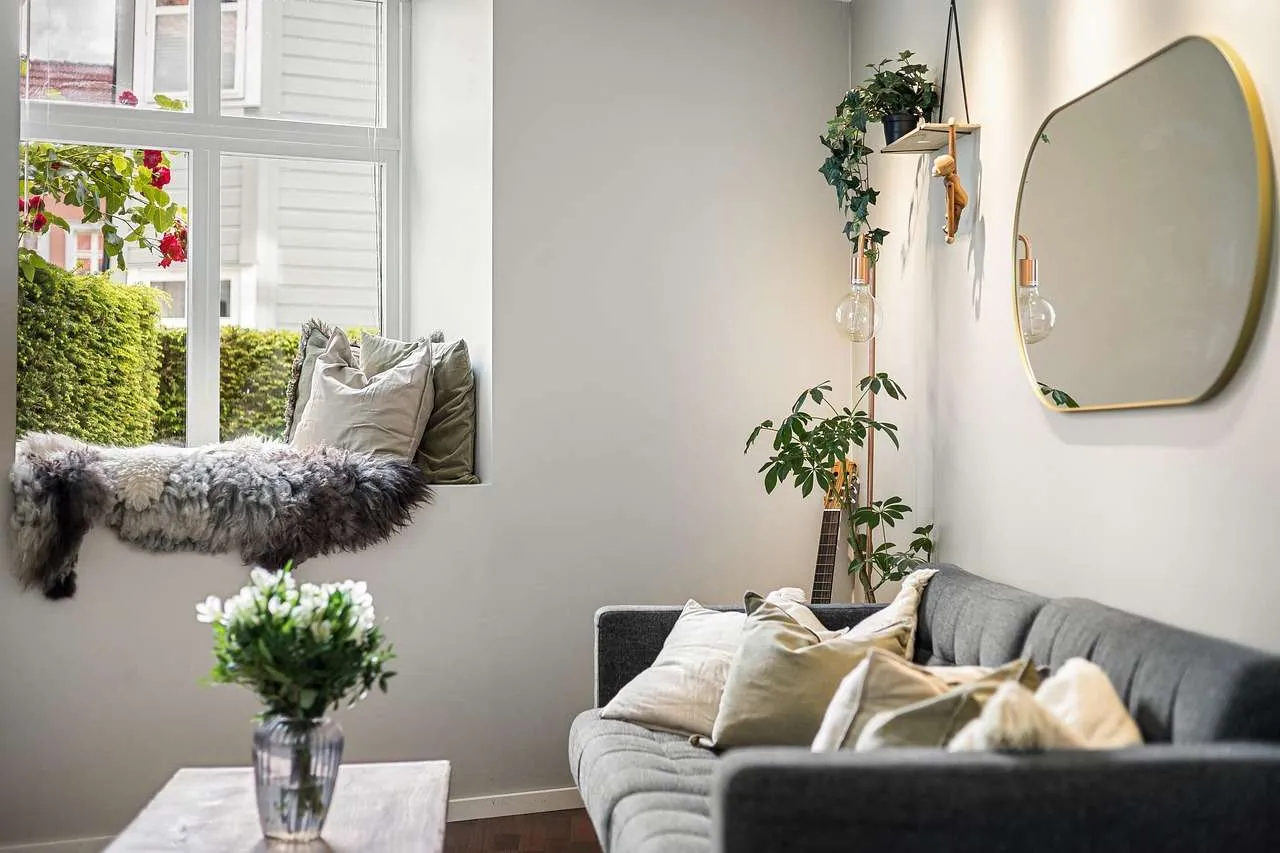
What is home window tinting?
Home window tinting is the application of a transparent film to interior or exterior windows that reduces heat gain, blocks UV rays, and controls glare while preserving visibility. Modern films are engineered for durability and come in various shades and styles. When installed by trained professionals, tinting can dramatically improve indoor comfort and protect furnishings without sacrificing natural light.
Benefits of home window tinting
Energy savings: By reflecting a portion of solar heat, tinting lowers cooling loads in hot climates, which can reduce monthly energy bills over time.
UV protection and furniture preservation: Most films block up to 99% of UV radiation, slowing fading of fabrics, flooring, and artwork while protecting occupants from sun exposure.
Privacy and glare reduction: Tinting increases daytime privacy and reduces glare on screens, making it easier to enjoy rooms with abundant natural light.
Safety and durability: Some films hold glass together better in minor impacts and can reduce risk of shards in break-ins, depending on the product; many films also resist scratching and fading.
Choosing the right tint type
Common film families each have strengths and trade-offs:
- Dyed film – affordable, good privacy; fades slowly and offers moderate UV protection.
- Metalized film – excellent heat rejection; can interfere with electronics and may create a reflective look.
- Hybrid film – balanced combination of dye and metal; fewer interference issues than pure metalized films.
- Ceramic film – top-tier heat rejection, clarity, and non-conductive properties; higher cost but best overall performance.
- Carbon film – natural tone with strong UV protection and heat reduction; mid-to-high price.
Comparison of tint types
| Type | Pros | Cons | Best For | Privacy |
|---|---|---|---|---|
| Dyed | Low cost; decent privacy | May fade; moderate UV | Budget rooms | Medium |
| Metalized | Excellent heat rejection | Potential interference; reflective look | South-facing windows | High |
| Hybrid | Good balance; less interference | Moderate cost | Most homes | Medium-High |
| Ceramic | Best clarity; high IR rejection | Higher cost | Energy efficiency + durability | High |
| Carbon | Natural tint; strong UV protection | Higher price | Modern aesthetics | Medium |
Legal considerations, warranties, and life span
Home window tinting for residential use is governed by fewer direct legal limits than vehicle tinting, but some jurisdictions and HOAs set expectations for reflectivity, shading, and window treatments. Always verify product warranties and installation guarantees; reputable films carry warranties typically 5 to 15 years for performance, adhesion, and fading, protecting your investment over time.
Installation options and maintenance
Professional installation is recommended for the most reliable results. Trained installers ensure edge sealing, bubble-free finish, and even heat rejection across large panes. DIY kits exist for small windows, but improper cutting or handling can lead to peeling, micro-bubbles, and warranty issues. Maintenance is simple: clean with non-abrasive cleaners and a soft cloth to preserve film clarity and adhesion.
Costs, savings, and return on investment
Prices typically range from $5 to $15 per square foot installed, depending on film type, window size, and labor. Ceramic and carbon films drive higher upfront costs but offer superior heat rejection and UV protection. Over time, reduced cooling loads and extended furniture life can offset the initial outlay, making home window tinting a compelling option for many homes.
How to choose a reputable installer (EEAT)
Expertise matters: review local projects, request written quotes, and understand warranty terms. Look for manufacturer certifications, licensed installers, and ongoing training. Trustworthy firms share before-and-after photos, detailed timelines, and transparent pricing. Check references and assess communication quality to gauge reliability and post-install support.
Conclusion
Conclusion, choosing the right film type and a skilled installer is key to unlocking comfort, energy savings, and protection from UV rays in your home. By assessing film options, verifying credentials, and planning for maintenance, you can maximize value and satisfaction from home window tinting.